In Conversation · Ladakh Herbs
In conversation with Ladakh Herbs on sea buckthorn, apricot, and what a Ladakhi label should tell you.
If we sell only raw produce, much of the value is created elsewhere, after our harvest leaves the region.
Ladakh HerbsSea buckthorn grows wild along Ladakh’s riverbeds, is covered in thorns, and is picked in a window of about a month. Ladakh holds more than 70 per cent of India’s sea buckthorn area, according to the Tribune, yet most visitors only ever see it in a bottle.
We put questions about the plants, the harvest and the farmers to Ladakh Herbs, a producer of sea buckthorn and apricot products on Fort Road, Leh. Their answers are below, lightly edited for clarity and grammar.
Most visitors meet sea buckthorn as a bottled juice and never see the plant. What does a stand of it actually look like, and where in Ladakh does it grow best?
Sea buckthorn is a thorny shrub with dense, silvery-green leaves and clusters of orange berries. It grows best in the Nubra, Indus and Suru valleys. If you have only seen sea buckthorn in a bottle of juice, imagine walking through a cold, dry Ladakh valley and suddenly seeing a thick belt of thorny bushes covered in bright orange berries. That is what a natural sea buckthorn stand can look like, and Ladakh is one of India’s most important regions for this remarkable plant.
Walk us through a harvest. Who does it, and when?
A sea buckthorn harvest in Ladakh is a short, physically demanding season. Behind every bottle of juice is a team of local collectors working among thorny bushes, often along cold riverbeds, to gather berries before they become overripe or are lost.
The main harvesting season is late August through September, with September traditionally the main collection month. The exact timing depends on the valley, altitude and berry maturity. Local villagers and labourers collect berries as seasonal work, and the main collection window is short, often around 20 to 30 days.
Collectors may need to walk along riverbanks and uneven terrain to reach the productive stands. Where the Forest Department or other authorities manage the land, collectors must follow the applicable permissions and harvesting rules.
Is your sea buckthorn wild-harvested or cultivated?
Our sea buckthorn is sourced from the unique landscapes of Ladakh, where the plant grows naturally along riverbeds and in the cold desert environment. Wild harvesting has traditionally played an important role in collecting these berries, with local people gathering the bright orange fruit during the short harvest season.
As demand for sea buckthorn products grows, we are also looking at how to build a more sustainable supply chain while protecting natural stands and supporting local communities. Our aim is to bring authentic Ladakh sea buckthorn to more people without losing the connection to the land and the people behind every harvest.
Apricots are the other crop everyone knows by name. What varieties do you work with, and what’s the difference?
Ladakh has several native apricot varieties, and the differences go beyond size and colour. They affect sweetness, acidity, juiciness, drying quality and what a processor can get from each fruit. The main varieties recognised by the regional Horticulture Departments include Halman, Raktsey Karpo, Narmo and Khantey.
Mostly we are working with Halman, the processing favourite. It is known for its golden-yellow fruit, its sweetness and its suitability for drying. It is particularly valuable for dried apricots, and it can be a useful variety for fruit pulp and other processed products.
Is there a crop you work with that deserves more attention than it gets?
I would say Ladakh’s apricot kernel and its oil deserve far more attention, alongside sea buckthorn. Apricot is already well known, but the opportunity is to use more of the fruit rather than selling only the fresh or dried apricot. Ladakh has significant apricot production, and local organisations are already working to turn apricots and their kernels into higher-value products.
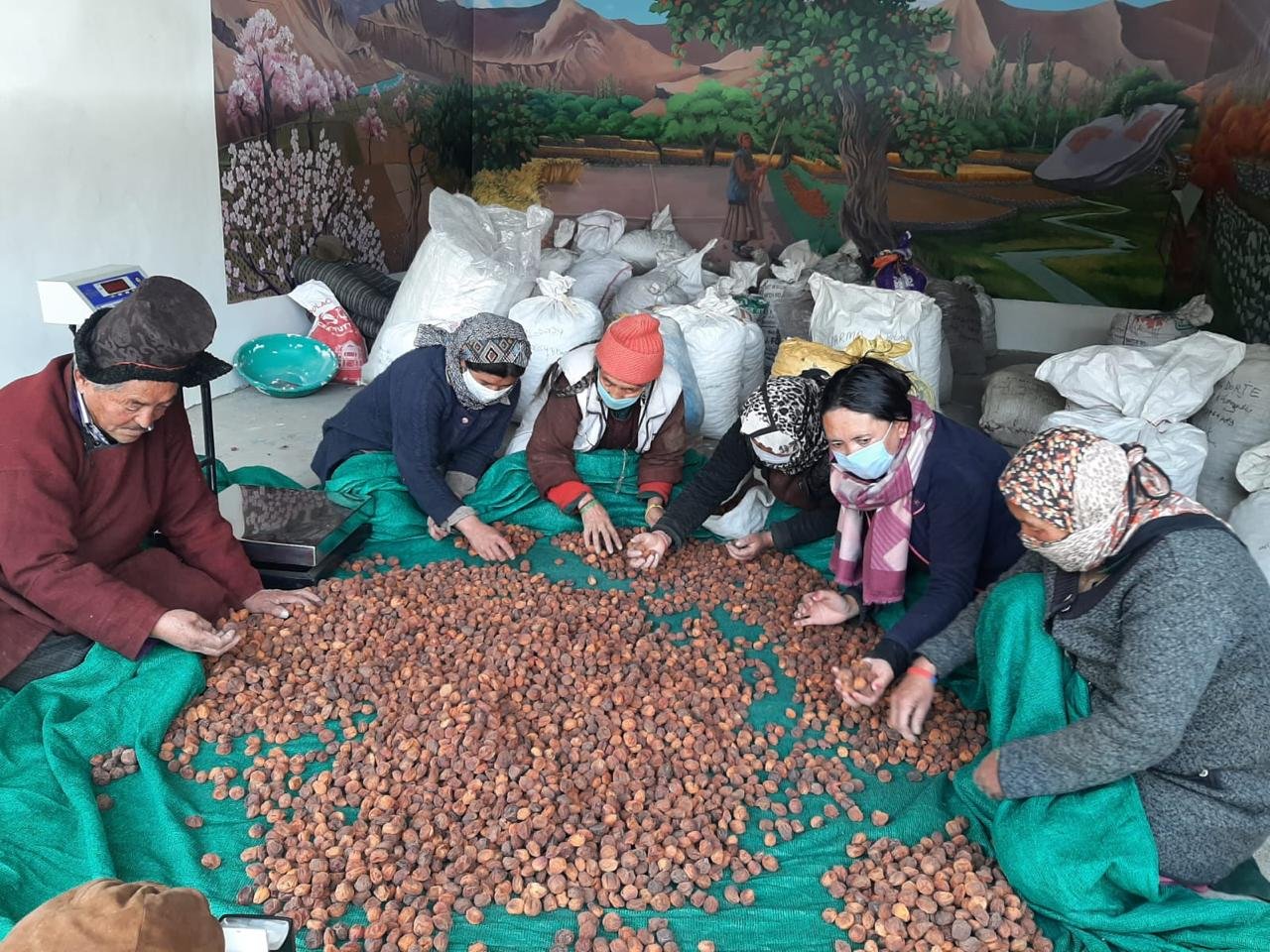
Apricot kernel oil is a promising ingredient for skincare, massage oils and moisturisers. For Ladakh Herbs, it offers a way to create a higher-value product from locally sourced kernels. Apricot pulp and dried fruit are another route, since turning seasonal fruit into shelf-stable products can help reduce waste and make Ladakh’s harvest available throughout the year. Beyond the berries, there may be opportunities to explore other parts of the sea buckthorn plant, such as the leaves, but each use needs proper safety, efficacy and commercial validation before making products.
Apricot kernels can contain amygdalin, which can release toxic cyanide. Kernel oil intended for cosmetics must be appropriately processed, and kernels or by-products should not be promoted as food without suitable safety assessment.
What does your mission to uplift Ladakh’s farmers mean in practice?
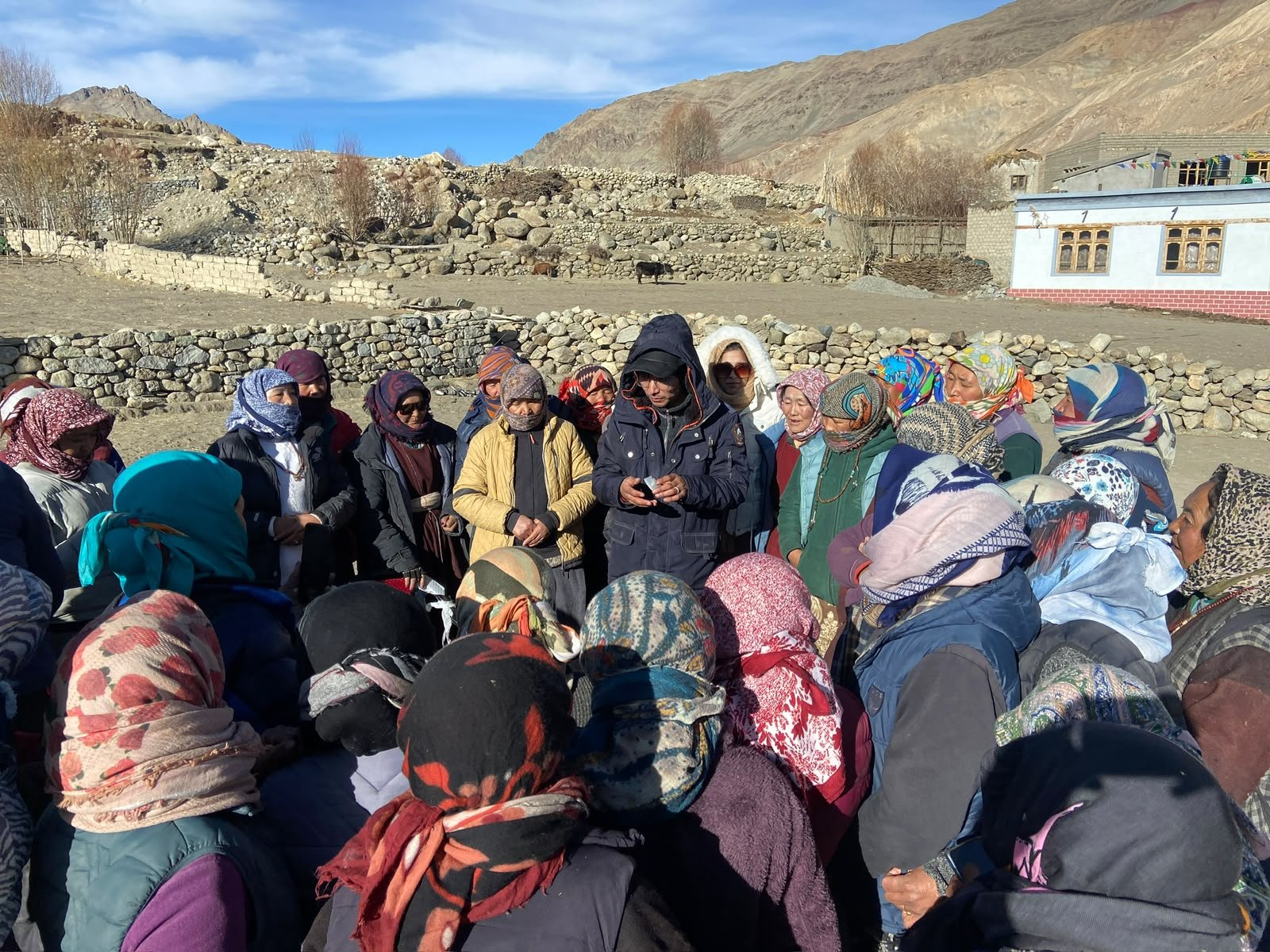
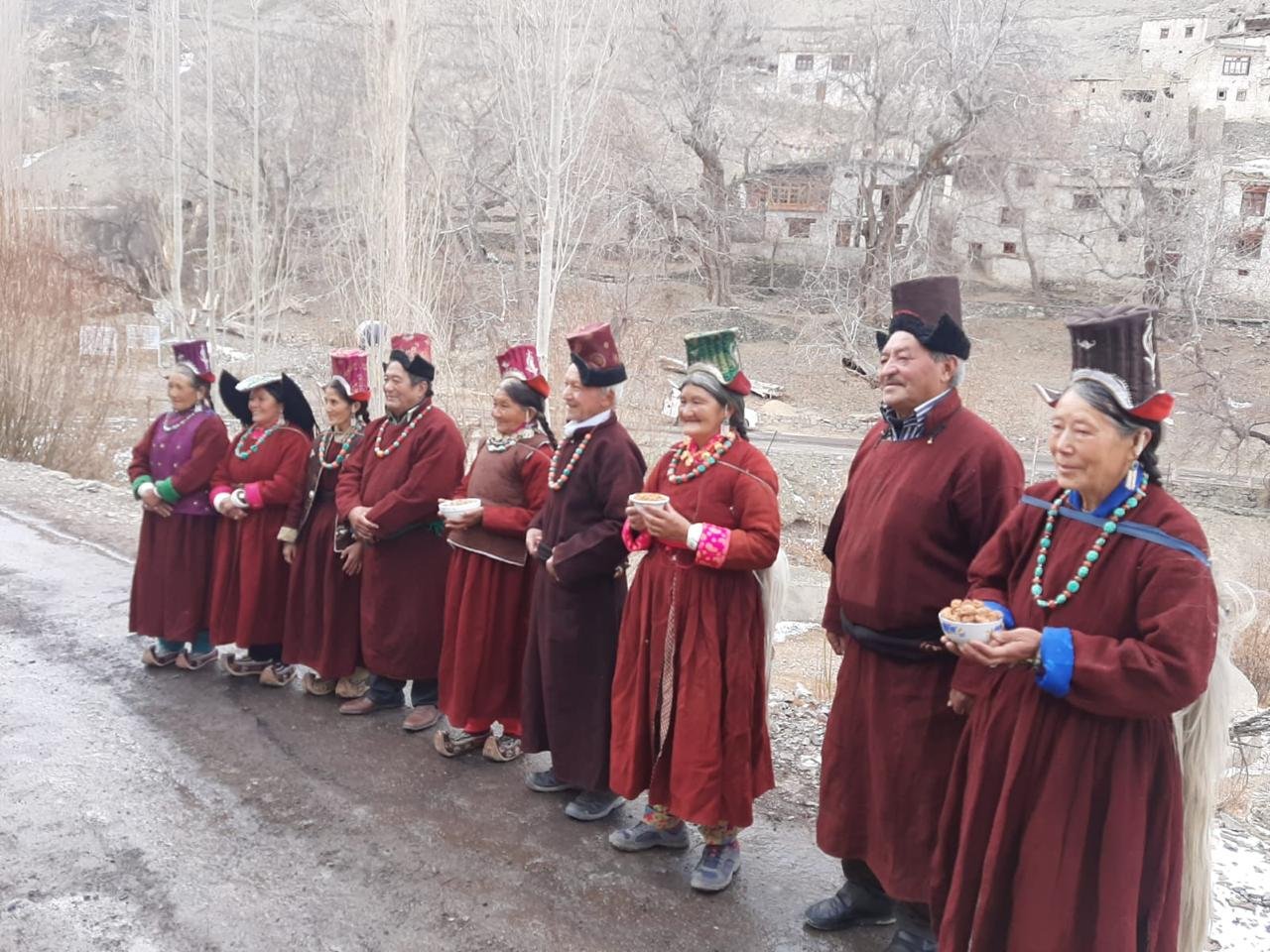
Our mission is to create meaningful economic opportunities for Ladakh’s farming communities by connecting locally sourced produce with customers across India. We believe that the people who grow, harvest and preserve Ladakh’s natural resources deserve greater recognition and a fair opportunity to benefit from their work.
Through our sea buckthorn, apricot and other locally sourced products, we aim to build stronger market connections for local producers, encourage responsible harvesting, reduce post-harvest wastage and create more value within Ladakh through local processing and manufacturing.
Our vision is to develop a transparent, responsible supply chain in which farmers and berry collectors can access dependable buyers, understand quality requirements and benefit from the growing demand for authentic Ladakhi products.
We want sustainable agriculture to mean more than protecting the environment. It should also mean stronger rural livelihoods, greater opportunities for local women and young people, responsible use of natural resources, and a future in which Ladakh’s agricultural heritage remains economically valuable for the next generation.
How do you buy from farmers and collectors?
We believe that supporting Ladakh’s farmers starts with fair purchasing practices and timely payments. When farmers and local berry collectors bring us sea buckthorn, apricots and other local produce, we aim to make the buying process transparent, with clear quality requirements, agreed prices and payment terms.
What is the hardest part of the supply chain?
One of our biggest challenges is managing the short harvesting season and transporting fresh produce from remote areas of Ladakh to our processing facilities in time.
Sea buckthorn grows naturally along riverbeds, where harvesting is labour-intensive because of its thorny branches and delicate berries. Apricots are also seasonal, and once harvested, they need careful handling to preserve their freshness and quality.
Weather conditions, difficult terrain, limited transportation, labour availability and sudden increases in harvest volumes can all make collection and processing challenging. If fresh produce waits too long before processing, its quality can deteriorate, leading to losses for both the producer and the business.

What were you doing before Ladakh Herbs, and what was the moment you decided to start it?
Before starting Ladakh Herbs, I had the opportunity to travel abroad and gain exposure to different markets and ways of doing business. I also worked with the Himmotthan Society, an organisation supported by Tata Trusts, where I gained valuable knowledge and practical experience in marketing, sales and working with local communities.
These experiences helped me understand the importance of connecting local producers with wider markets and creating value from the natural resources available in our region. I began to see the immense potential of Ladakh’s unique products, especially sea buckthorn, apricots and other locally sourced ingredients.
I realised that although Ladakh has incredible natural wealth and traditional knowledge, there was an opportunity to bring these products to more people through better marketing, processing and branding. That idea inspired me to start Ladakh Herbs.
My vision was not just to build a business, but to create a brand that represents Ladakh, supports local farmers and collectors, and brings authentic Ladakhi products to customers across India and beyond. Today, Ladakh Herbs is my way of turning that vision into reality, one product at a time.
You could have sold raw produce and let someone else make the soap and the cream. Why make finished products yourself?
I believe Ladakh has so much more to offer than just raw materials. We have unique natural resources, including sea buckthorn, apricots and other Himalayan ingredients, but I wanted to create more value from these products within Ladakh itself.
If we sell only raw produce, much of the value is created elsewhere, after our harvest leaves the region. By developing finished products such as juices, soaps, creams and oils ourselves, we can build our own brand, maintain greater control over quality, and tell the story behind every ingredient.
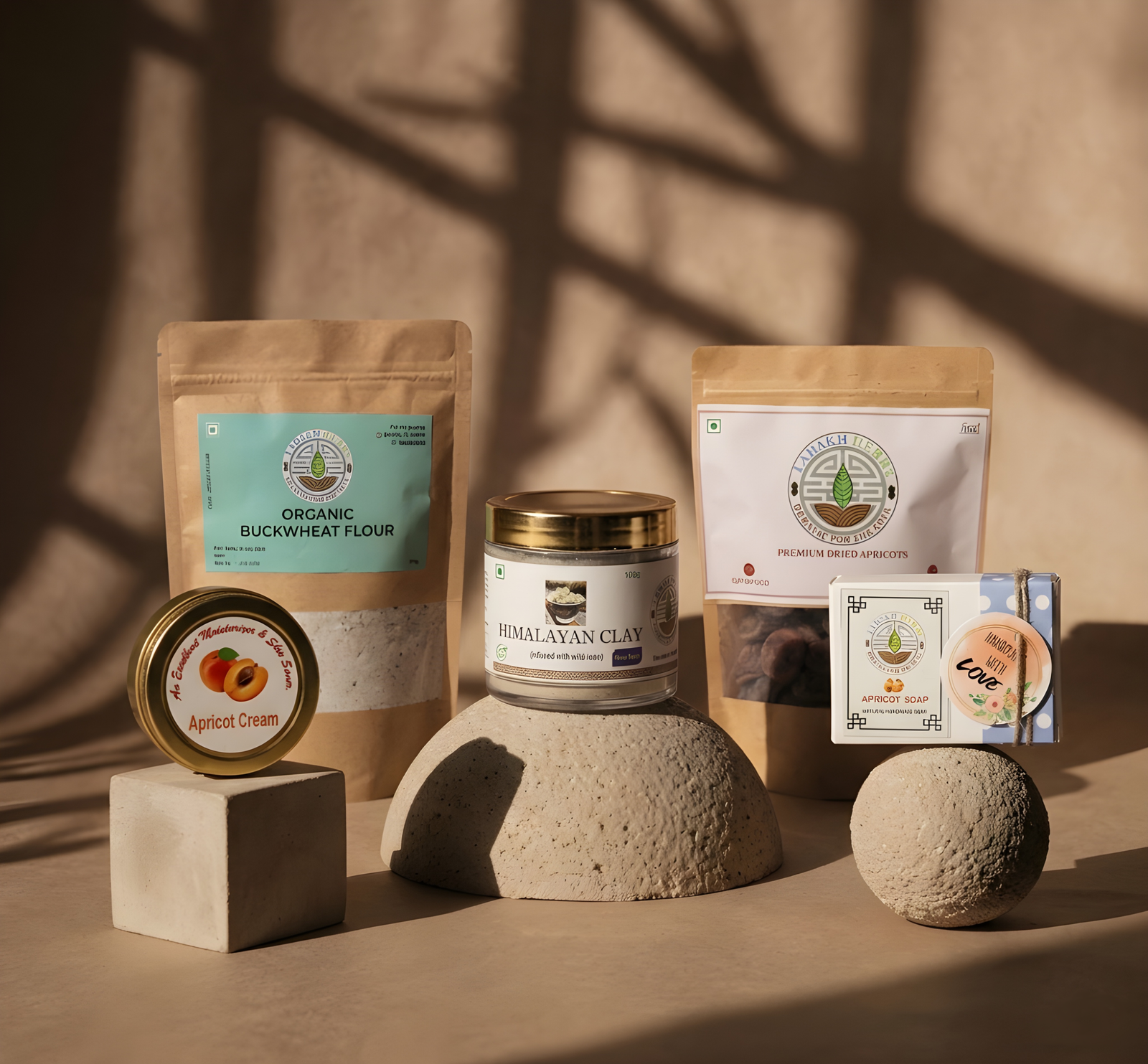

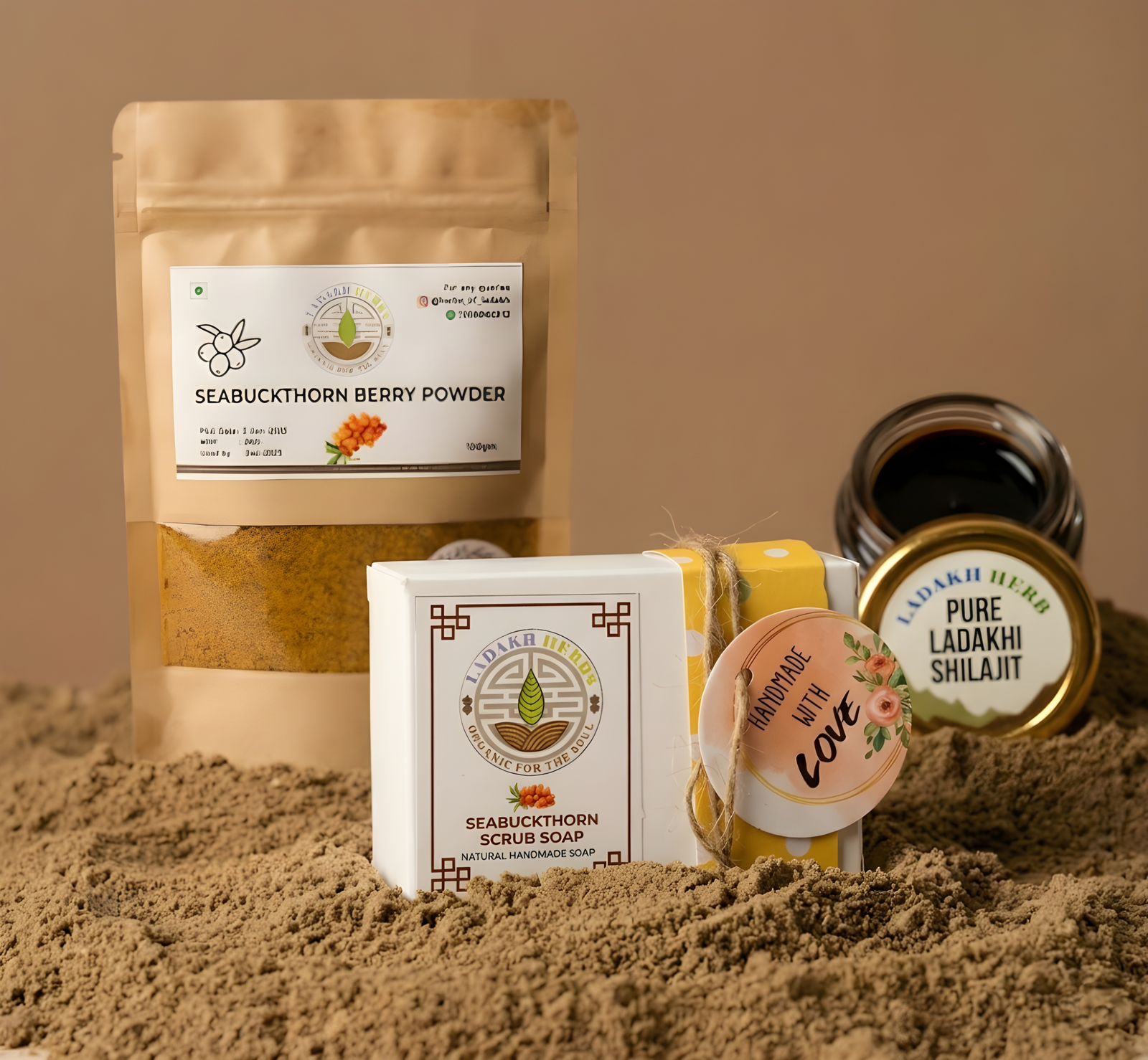

I want customers to receive more than a bottle of juice or a jar of cream.
Ladakh HerbsManufacturing our own products also gives us the opportunity to explore new uses for local ingredients, reduce waste where possible, create local employment and build a business that can grow sustainably over time.
For me, Ladakh Herbs is not simply about selling products. It is about showing that a business from Ladakh can develop, process and market its own natural products while preserving the identity and value of our region. My long-term vision is to ensure that more of the value created from Ladakh’s natural resources stays in Ladakh and creates opportunities for local communities. I want customers to receive more than a bottle of juice or a jar of cream. I want them to experience the quality, origin and story of Ladakh itself.
What did you get wrong in the first year?
In my first year, one of the biggest lessons was understanding where to invest, which products to keep in stock, and how to balance business growth with the needs of local farmers.
Ladakh has been told for years that organic is its advantage. Is that a real market advantage, or a story told about Ladakh from outside?
I believe Ladakh’s organic advantage is real, but it needs to be understood from the perspective of the people who live and work here.
For generations, Ladakh’s farmers have grown crops in a cold, high-altitude environment, often using traditional farming practices and limited external agricultural inputs. Our region has unique products such as sea buckthorn, apricots and other local herbs that have the potential to reach markets across India.
But I also believe that simply calling a product organic is not enough. Customers need quality, consistency, transparency and confidence in what they are buying. If we want Ladakh to become known for authentic natural products, we must support responsible sourcing, proper processing, credible organic certification wherever applicable, and better market access for our farmers.
At Ladakh Herbs, I see our role as turning this natural advantage into economic opportunity. Instead of selling only raw produce, we can process local ingredients, develop finished products and build a brand that tells the true story of Ladakh.
Simply calling a product organic is not enough.
Ladakh HerbsUltimately, the real advantage is not just that Ladakh has a clean mountain environment. It is the combination of our local knowledge, distinctive ingredients, traditional agricultural practices and the people who work hard to produce them. For me, the success of the organic story should be measured by more than how much we sell. It should also be measured by whether farmers receive fair and dependable income, whether local value addition increases, and whether we protect the natural resources that make Ladakh special.
A lot of what sells online as Himalayan or Ladakhi isn’t from here. How does a buyer in Delhi tell the difference, and what should they ask before buying?
I believe customers should be able to trace a product back to the people and place it came from. Buyers in Delhi can ask a few simple questions before purchasing anything labelled Ladakhi.
According to Ladakh Herbs, the main season runs from late August through September, with September the main collection month. The window is short, often around 20 to 30 days, and the exact timing depends on the valley, the altitude and how ripe the berries are.
It grows best in the Nubra, Indus and Suru valleys, naturally along riverbeds. Ladakh holds more than 70 per cent of India’s sea buckthorn area, according to the Tribune.
The main varieties recognised by the regional Horticulture Departments include Halman, Raktsey Karpo, Narmo and Khantey. Ladakh Herbs works mostly with Halman, which is sweet, golden-yellow and well suited to drying.
Not without proper assessment. Ladakh Herbs points out that apricot kernels can contain amygdalin, which can release toxic cyanide. Kernel oil for cosmetics must be appropriately processed, and kernels or by-products should not be promoted as food without suitable safety assessment.
Ask where exactly it was grown, who supplied the raw material, where it was processed, whether you can see batch and traceability details, and whether any “organic” claim is certified. A genuine producer should be able to answer all five.
Continue the story
Sea buckthorn, apricot and the harvest behind them, from Fort Road, Leh.
Kesaar Editorial is the journal of Hotel Kesaar Palace, Leh. Hotel Kesaar Palace is on Fort Road in Leh.
